


Filter by Categories
Parable of the Rich Fool
Bible Study by Martin G. CollinsJesus teaches that a godly life surpasses the importance of material possessions. He illustrates this through the Parable of the Rich Fool, where a man, consumed by his wealth, builds larger barns to store his abundance, focusing solely on an easy life. God declares this man a fool, for when he dies, his possessions will benefit him not, passing instead to others. This parable warns against all forms of covetousness, showing that a life centered on what one owns lacks richness toward God. Desiring abundance beyond what is necessary is rooted in covetousness, an unlawful craving for more than God has provided. Jesus emphasizes that no amount of wealth can extend life, revealing the folly in such desires. Instead, when God grants excess, it should be used generously to meet the needs of others, sowing goodness to reap the same. The rich man is deemed a fool by God for believing that secure, abundant earthly enjoyment is the height of success. True reality rests on God's will, not human plans. A fool lacks the perception of both physical and spiritual truths, staking life on fleeting possessions. Being not rich toward God means living solely for wealth and dying without eternal gain. True riches lie in godly living, which endures forever. Life is not enhanced by abundant material things but by spiritual and eternal values. By placing God first, whatever He provides, be it little or much, should be used to glorify Him.
Be Happy (Part Two)
CGG Weekly by Gary MontgomeryHappy people know that material wealth plays only a small part in their happiness. The pursuit of material goods often leads to less satisfaction and contentment, and is a strong predictor of unhappiness. The more materialism drives someone, the less happy they become as a result. Accumulation of things does not satisfy; it may provide a temporary high, but no deep satisfaction comes from it. In contrast, a good, positive relationship contributes significantly to overall happiness. While lessons from the past should be learned and the future reality of God's Kingdom strived for, living fully in the present to do the will of God and please Him is essential.
The Tenth Commandment
Bible Study by Martin G. CollinsWanting possessions is not wrong in itself; we may desire a spouse, a house, or a car, provided it does not belong to our neighbor and we acquire it fairly and honestly. Covetousness, an insatiable desire for worldly gain, is where most sin begins. It is idolatry, because whatever we lust after becomes something we serve. It is tied to pride and vanity, and it breeds theft, lying, murder, apostasy, sorrow, and eventually death. A man who amasses possessions gains a false sense of security and superiority, yet covetousness is never satisfied. Our accomplishments are not measured by what we own, for life does not consist in the abundance of possessions. Godliness with contentment is great gain, as Paul, who learned to be content in every state, shows. Instead of riches, we are to pursue righteousness, godliness, faith, love, patience, and gentleness, and to seek first God's Kingdom and His righteousness. Treasure belongs in heaven, not on earth. Ministers must not be covetous and should set the example. God will exclude covetous people from His Kingdom. Resisting covetousness is a struggle even for the elect, but God's Spirit helps those who present themselves as instruments of righteousness, hate covetousness, and are content with what they have. The opposite of coveting is giving, which reflects God's character as the Giver of every good and perfect gift.
Parable of the Treasure
Bible Study by Martin G. CollinsJesus' Parable of the Treasure in Matthew 6:19-21 is designed to get us to evaluate the relative values of material wealth and 'treasures in heaven.'
Covetousness
Sermonette by Martin G. CollinsCovetousness—wanting something with a deep, greedy, envious burning—has reached epidemic proportions. Covetousness is also idolatry.

Prosperity's Consequences
Sermon by Martin G. CollinsProsperity is not always an emblem of God's approval. God will not prosper us if it would cause spiritual damage, insulating us from seeking His kingdom.

Ecclesiastes and Christian Living (Part Seven): Contentment
'Personal' from John W. RitenbaughGod desires far more for us than mere satisfaction: He wants to give us real contentment, a state that comes only through a relationship with Him.
The Tenth Commandment
'Personal' from John W. RitenbaughEveryone is out to acquire as much as possible for himself. The tenth commandment, however, governs this proclivity of human nature, striking at man's heart.
The Tenth Commandment
Sermon by John W. Ritenbaugh (1932-2023)Coveting begins as a desire. Human nature cannot be satisfied, nothing physical can satisfy covetousness, and joy does not derive from materialism.
Stuff
Sermonette by Mike FordEverybody has the carnal habit of accumulating stuff, cluttering up both our physical surroundings, as well as the inner chambers of our minds.
The Consequences of Affluence
Feast of Tabernacles Sermon by Martin G. Collins'Affluenza' describes the bloated insensitivity caused by trying to keep up with the Joneses, the stress caused by doggedly pursuing the American Dream.
Blessing Promises: Our Spiritual Inheritance
Feast of Tabernacles Sermon by Martin G. CollinsWhen we ask to be blessed, it should be exclusively on God's terms. What God has done in our lives is the best preparation for our future responsibilities.
The Christian and the World (Part Nine)
Sermon by John W. RitenbaughAnxious care and foreboding are debilitating and faith-destroying. Meditating on what God has already done strengthens our faith and trust in God.
Ecclesiastes Resumed (Part Seventeen)
Sermon by John W. Ritenbaugh (1932-2023)Wisdom can be defined as doing the right thing at the right time in the right way to the right measure. Wisdom is not given as a whole, but incrementally.
The Joy of the Lord Is Our Strength!
Feast of Tabernacles Sermon by Martin G. CollinsThe true source of joy does not consist on any worldly commodity, or any self-centered, hedonistic pursuit, but instead a spiritual gift, bestowed by God.
Laodiceanism
Feast of Tabernacles Sermon by John W. RitenbaughOur love for beauty must be coupled with love for righteousness and holiness. Our relationship with Christ must take central place in our lives, displacing all else.
The Christian and the World (Part Eight)
Sermon by John W. RitenbaughHaving anxiety, foreboding and fretting about food, clothing, and shelter, or being distressed about the future, demonstrates a gross lack of faith.
The Christian and the World (Part Seven)
Sermon by John W. RitenbaughThe best way to attain true wealth and the abundant eternal life is to loosen our grip on worldly rewards and treasures, and single-mindedly follow Christ.
Strategies for Interfacing with Babylon Without Becoming Assimilated (Part Two)
Sermon by David F. MaasThere are three basic causes for discontentment and three strategies to contentment, enabling us to emulate the apostle Paul's content state of mind.
The Commandments (Part Nineteen)
Sermon/Bible Study byJesus taught that all outward sin stems from inner inordinate desire. What we desire or lust after automatically becomes our idol.
The Christian and the World (Part Five)
Sermon by John W. RitenbaughThe prince of the power of the air is responsible for influencing the zeitgeist (dominant mindset of the time), pulling us away from God and His law.
Are You Zealous? (Part Two)
CGG Weekly by Richard T. RitenbaughLaodiceans are enthusiastic about being rich, becoming wealthy, and needing nothing. Life is good. They are content. They are zealous for the wrong things.
Ecclesiastes Resumed (Part Eight): Time
Sermon by John W. Ritenbaugh (1932-2023)We must realize that God is sovereign over time all the time, even as it is running out for all of us. God works to make the most of every situation in our lives.
God's Rest (Part 4)
Sermon by John W. RitenbaughCoveting—lust—is a fountainhead of many other sins. Desiring things is not wrong, but desiring someone else's things promotes overtly sinful behavior.
Micah (Part One): Hope for the Hopeless
Sermon by Martin G. CollinsThe prophecy of Micah had a delayed effect, taking many years before a reformer emerged on the scene. Jeremiah's life was spared because of the memory of Micah.
Many Are Called, But Few Are Chosen (Part Seven)
Sermon by Martin G. CollinsThe letters to the seven churches of Revelation warn of losing our first love, heeding false teachers, compromising God's Truth, and forgetting right doctrine.
What Is Your Lentil Soup?
'Ready Answer' by StaffThe story of Esau and his selling his birthright for a bowl of soup is a cautionary tale for today. What we treasure will ultimately determine our destiny.
Laodiceanism and Being There Next Year
Sermon by John W. RitenbaughOur biggest danger at this time is to be lured into spiritual drunkenness by the pagan Babylonian system. Our God is not what we say we worship but whom we serve.
The World, the Church, and Laodiceanism
Booklet by John W. RitenbaughLaodiceanism is the attitude that dominates the end time. It is a subtle form of worldliness that has infected the church, and Christ warns against it strongly.
Amos (Part Thirteen)
Sermon/Bible Study by John W. RitenbaughThe people to whom Amos writes have the mistaken assumption that because they have made the covenant with God, they can bask in a kind of divine favoritism.
Matthew (Part Eight)
Sermon/Bible Study by John W. RitenbaughWe should not seek material rewards under the New Covenant, though God may sometimes bless us physically. Our focus should be on spiritual rewards.
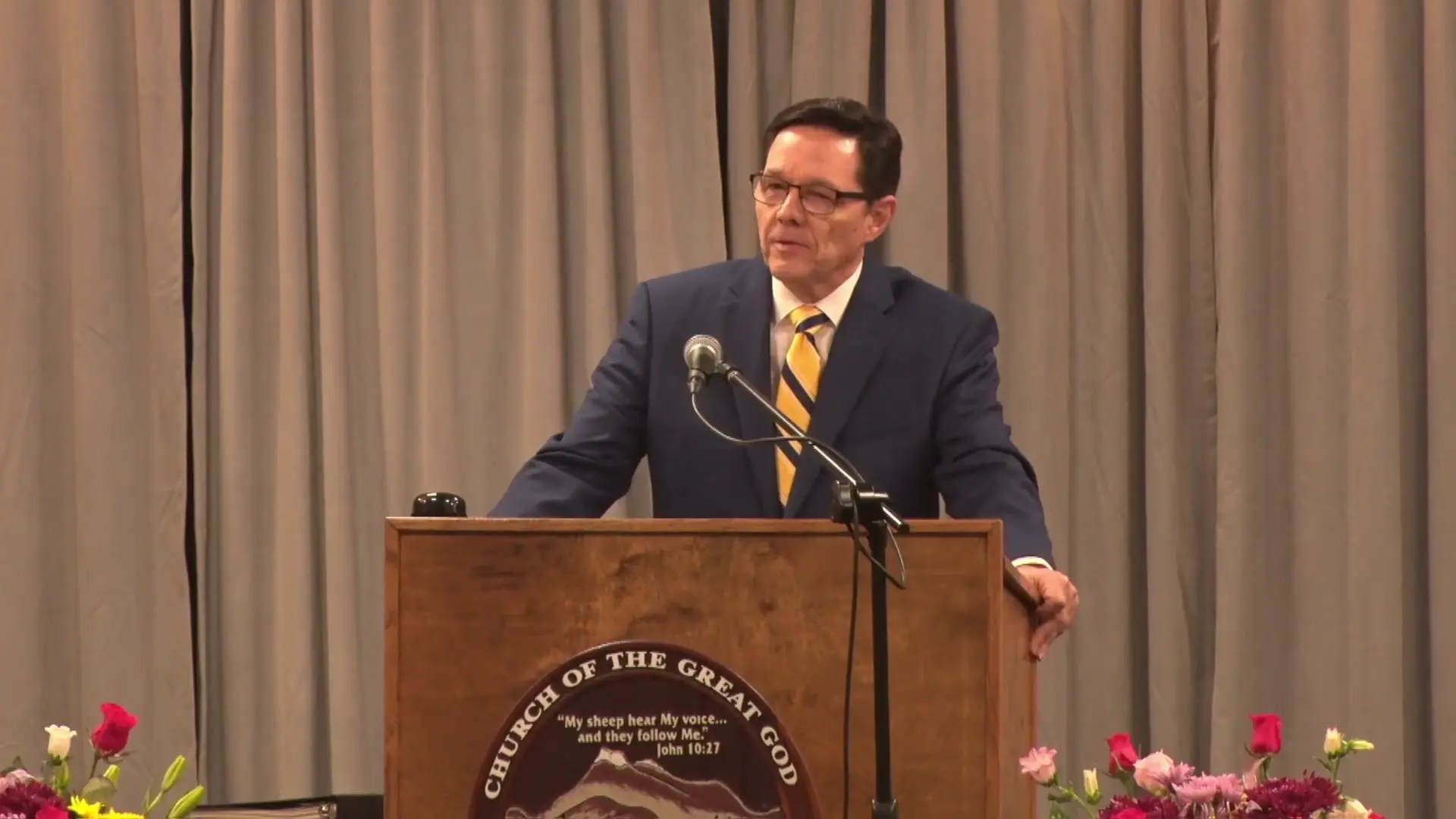
What is the True Meaning of 'Blessed'?
Feast of Tabernacles Sermon by Martin G. CollinsBiblical blessing transcends material wealth. Jesus blessed the poor, mourners, and persecuted, excluding the comfortably rich.
Simplifying Life (Part One)
Sermon by David F. MaasWe must cleanse not only our physical spaces, but our minds, schedules, and hearts—removing distractions, negative thoughts, and emotional burdens.
On The Value of Joy
Commentary by John W. Ritenbaugh (1932-2023)Because we live in a troubling world, our reserves of joy are probably somewhat low, perhaps making us feel that we are deficient in God's Holy Spirit.
Ecclesiastes Resumed (Part Fourteen)
Sermon by John W. RitenbaughSolomon ruminates about life being seemingly futile and purposeless. A relationship with God is the only factor which prevents life from becoming useless.
Intimacy with Christ (Part Three)
Sermon by John W. RitenbaughWe must fight against the world's pulls (including advertising), simplifying our lives, seeking quiet to meditate and build a relationship with God.