
Featured
In the Worldwide Church of God there are several things I distinctly remember regarding the post-Feast of Tabernacle's time each year. 1) Sharing Feast experiences and messages when reunited in our local areas at services following …
Article
The End Is Not Yet
The world has experienced a rough stretch of crises over the past several months. A handful of major natural disasters and a few manmade ones have put thousands of lives in jeopardy: hurricanes Harvey, Irma, and Maria; the massive fires …
CGG Weekly
The Importance of Fellowship (Part Two)
In Part One, we saw how crucial fellowship is to Christian growth, noting that the Sabbath command in Leviticus 23:3 includes the instruction to assemble in holy convocation. The people of God need the support and help of their spiritual …

Today's Verse and Comment
James 3:17-18
(17) But the wisdom that is from above is first pure, then peaceable, gentle, willing to yield, full of mercy and good fruits, without partiality and without hypocrisy. (18) Now the fruit of righteousness is sown in peace by those who make peace.
These two verses give direct and specific reasons why peace is such a great benefit toward spiritual prosperity. "Wisdom" indicates influence of heavenly origin, that is, from God. Its effect on the mind is to make it pure and chaste, …
Recent Video
Recent Audio
CGG Weekly
Sick and Tired
by Richard T. RitenbaughThis past week, I have literally been sick and tired. I do not know the direct cause of my illness. It is probably due to the stress that always builds this time of year, enhanced by extra speaking assignments, travel, rich foods, decreased exercise, and a handful of other concerns. It may be the result of contracting an illness picked up last week. Whatever the source, I have lost a great deal of sleep and limited my workdays to catching up on the hundreds of emails I ignored for ten days, which has added to the stress. Sickness is part of the human condition. We are biological creatures …
Read More
Forerunner Magazine

Every autumn, God's people observe the fall holy days, including the Feast of Tabernacles. Immediately following the seven days of …
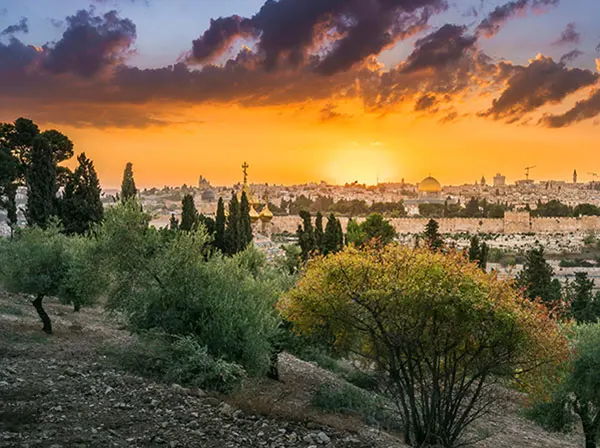
We can all agree that the world is not getting any better. The news headlines speak of terrorism, war, anti-Semitism, murder, fraud, …
As God leads us through our conversion, He regularly challenges our perception of Him. As we accept and apply ourselves to each …

Have you ever heard of individuals who have conspired to control the world's nations with their wealth and power, and who are the real …
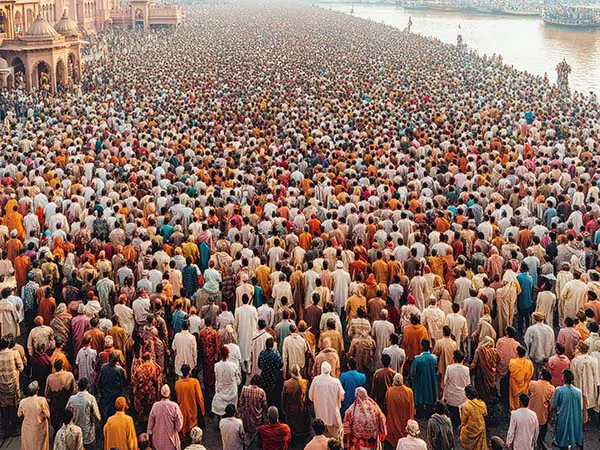
As the twenty-fifth anniversary of the 9/11 Islamic terrorist attack on the United States approaches, the world watches while Muslims, as …
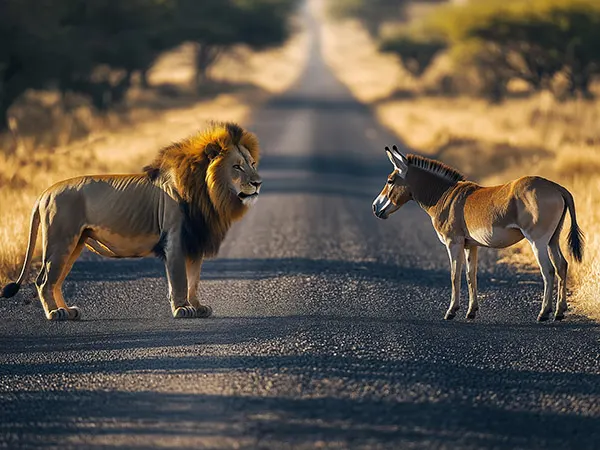
The man's heart was filled with dread. Reflecting on the past few days, the prophet from Judah admitted to himself that he had made a …
